

Salesforce Marketing Cloud is one of the most powerful enterprise marketing platforms on the market. It can orchestrate omnichannel customer journeys, automate complex email campaigns, deliver real-time personalisation, and surface rich behavioural analytics. So why do so many companies feel like they are getting almost nothing out of it?
The answer, almost universally, is not the platform. It is what happens after the implementation project closes. The consulting team hands over the keys, the internal marketing staff inherits a system they did not build, and the gap between what SFMC can do and what the team actually uses it for widens every month. Salesforce Marketing Cloud ROI does not come from the licence. It comes from what you do with the platform after go-live.
The 5 Root Causes of Poor SFMC ROI
1. No Post-Go-Live Roadmap
Implementation projects end at deployment. Without a structured optimisation roadmap, teams default to the 20% of features they already understand — basic email sends, simple automations, manual segmentation. The other 80% of the platform sits idle while the licence cost compounds.
2. Skills Attrition
The one person who attended SFMC training leaves within 12 months. Institutional knowledge walks out the door with them, and the team that remains reverts to whatever they knew before. This is one of the most common and most underestimated causes of SFMC underperformance — and it is entirely predictable.
3. Data Quality Debt
Dirty contact lists, broken data extensions, and misaligned subscriber keys silently degrade deliverability and personalisation accuracy over time. A platform that cannot trust its own data cannot personalise at scale. Most teams do not discover how bad their data quality is until a major campaign underperforms.
4. Journey Builder Neglect
Most teams send batch-and-blast emails when they could be running sophisticated lifecycle journeys triggered by real customer behaviour. Journey Builder is where the compounding returns of SFMC live — but it requires strategic design investment upfront that many post-go-live teams never make.
5. No Governance Framework
Without naming conventions, folder structures, and release processes, the SFMC account becomes unmaintainable within 18 months. Campaigns accumulate, journeys proliferate, and nobody is confident enough to archive or delete anything. The platform becomes a liability rather than an asset.
How to Audit Your Current SFMC Maturity
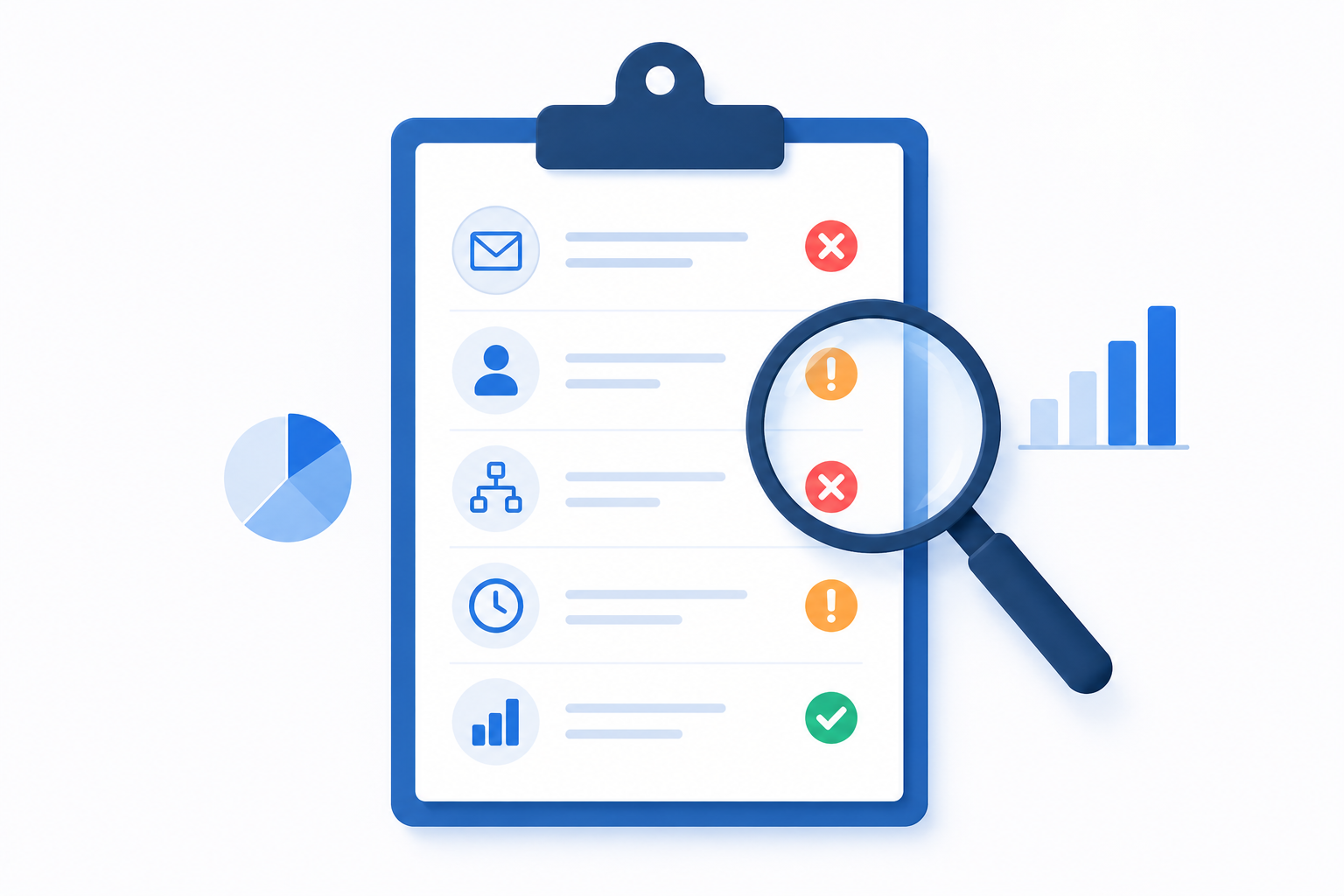
Before investing in optimisation or managed services, understand where you currently sit on the SFMC maturity curve. Evaluate across five dimensions:
| Dimension | Low Maturity | High Maturity |
|---|---|---|
| Data architecture | Flat tables, manual imports, no data hygiene schedule | Relational extensions, automated imports, weekly suppression audits |
| Journey complexity | One-off batch sends, no decision splits | Multi-step behavioural journeys, conditional routing |
| Personalisation depth | First name in subject line | AMPscript dynamic blocks, real-time data extension lookups |
| Analytics activation | Checking open rates only | SQL queries, Analytics Builder dashboards, revenue attribution |
| Governance health | No naming conventions, ungoverned account | Documented standards, quarterly audits, named platform owner |
Most companies score strong on basic email and thin on everything else. That gap is exactly where structured investment — whether internal or through a managed services partner — delivers the fastest returns. If you are evaluating whether to build that capability in-house or outsource it, the cost comparison here is worth reading first.
What Changes When You Close the ROI Gap
The teams getting the most out of SFMC share a few common traits. They have a dedicated platform owner — internal or external — who is accountable for roadmap progress, not just ticket resolution. They run a quarterly capability review to identify features they are licensed for but not using. They treat data hygiene as an ongoing operational discipline, not a one-time project. And they measure SFMC ROI in revenue and engagement outcomes, not just campaign volume.
A managed services partner accelerates this by embedding into your marketing operations rhythm — attending planning sprints, building alongside your team, and proactively identifying platform capabilities you have not yet unlocked. The right engagement structure covers three layers: stable operations (zero downtime, data hygiene, security), continuous optimisation (A/B testing, journey refinement, deliverability tuning), and strategic expansion (new channels, new automation use cases, integration deepening). Every quarter, you should be activating new capability — not just maintaining what already exists.
For teams earlier in their SFMC journey, the best practices guide covers the operational foundation that determines whether platform investment compounds or stagnates.
Conclusion
Buying Salesforce Marketing Cloud is the easy part. Turning it into a compounding growth asset requires ongoing expertise, disciplined operations, and a partner who stays accountable to your business outcomes — not just your ticket queue.
If your Salesforce Marketing Cloud ROI feels stuck, the problem is not the platform. It is the operating model around it. If you want an honest assessment of where your SFMC setup is leaving performance on the table, get in touch →